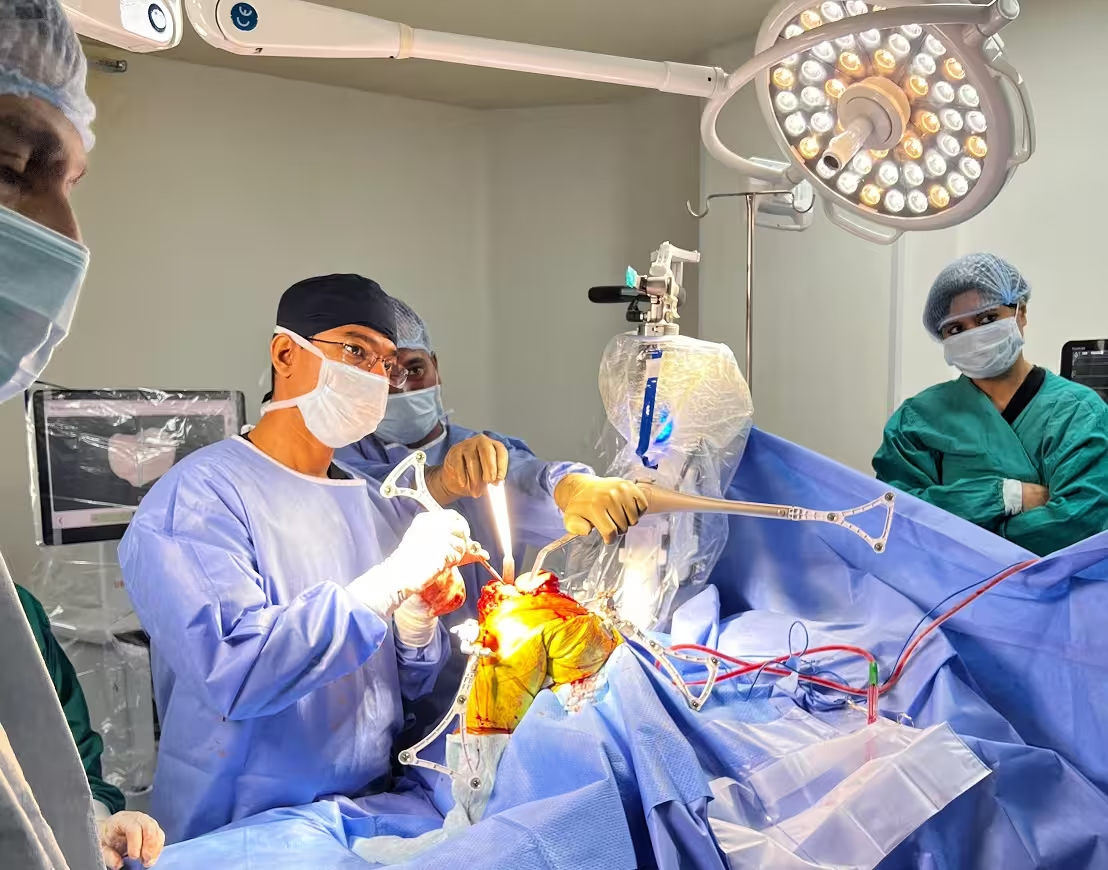
Individual Treatment Assessment
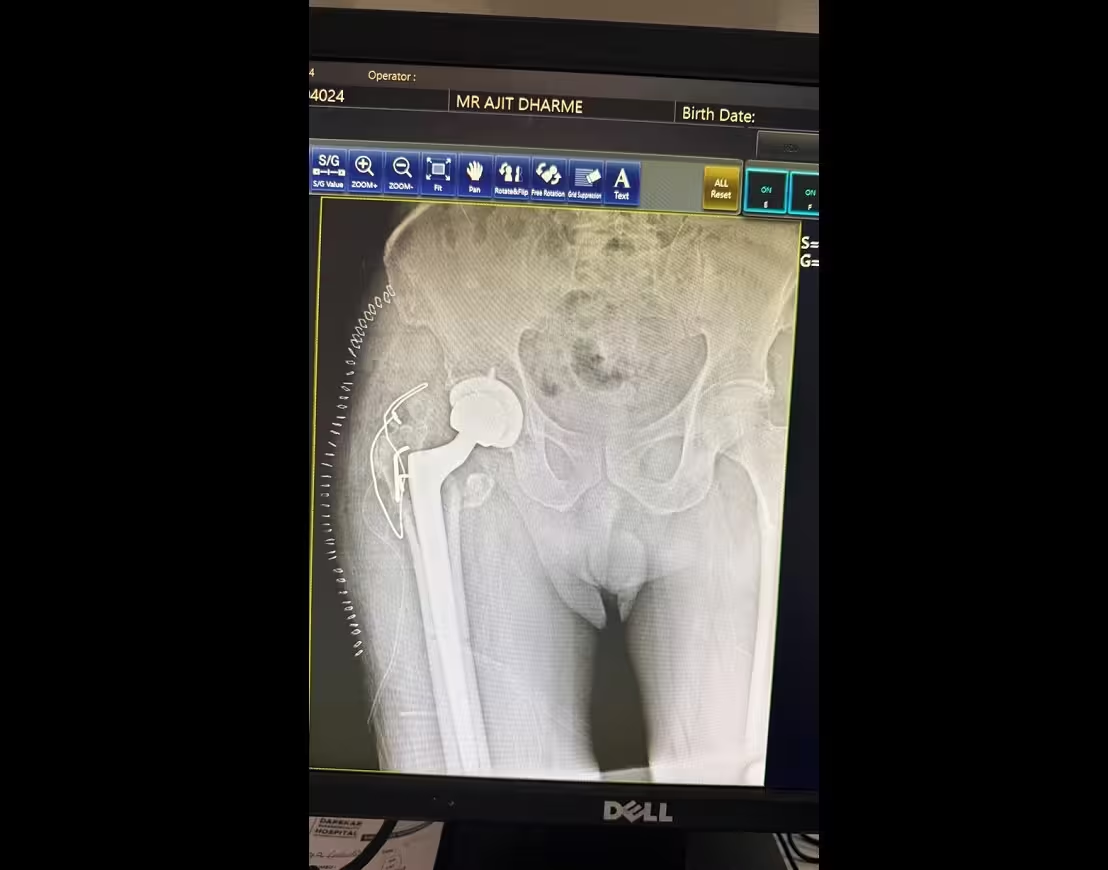
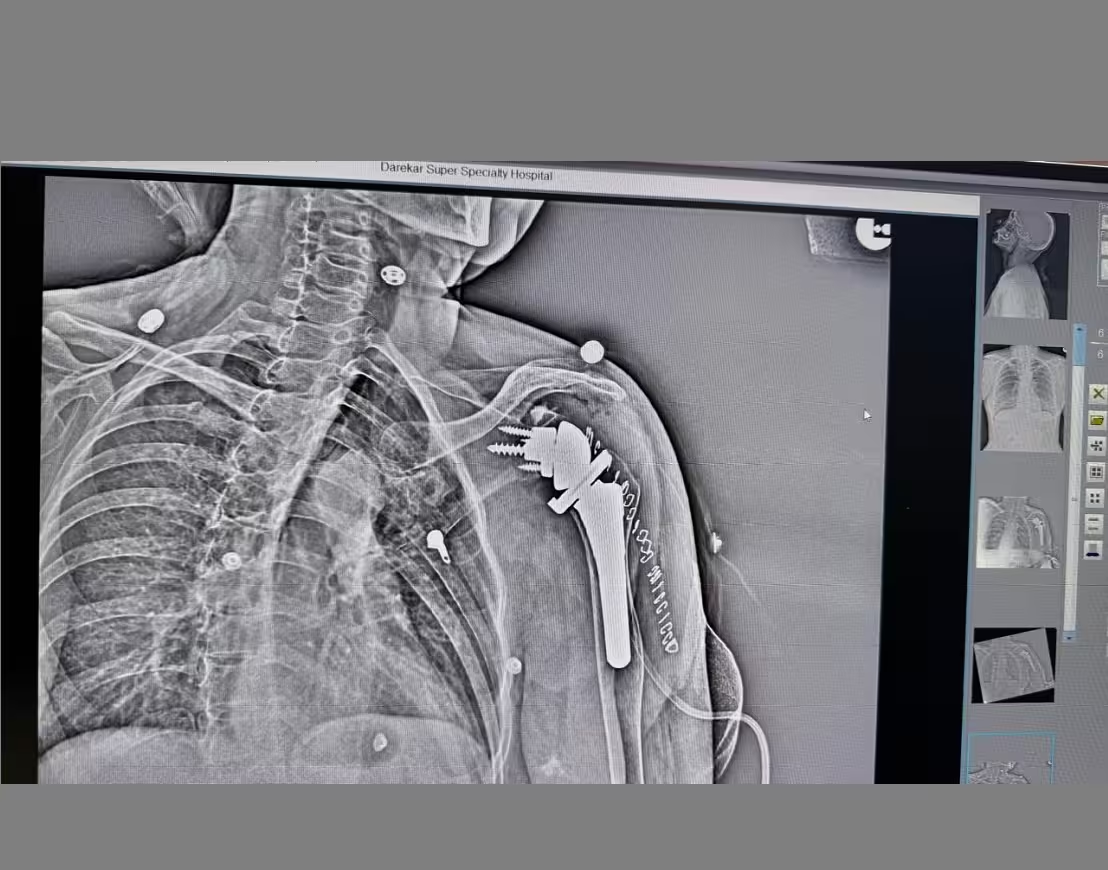
Symptoms, medical history, examination findings and imaging reports help guide the treatment discussion.
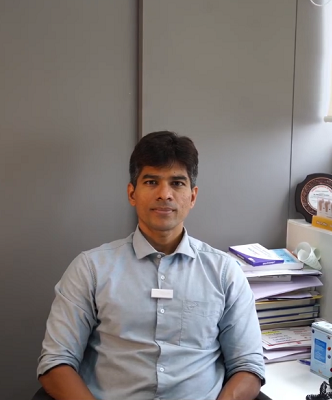
Looking for advanced robotic knee and hip replacement surgery in Pune? Learn more about Dr. Mangesh Darekar
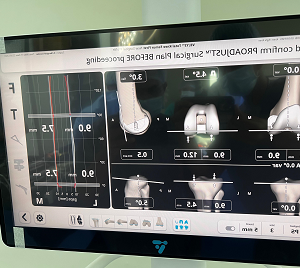
Robotic joint replacement surgery in Pune is revolutionizing the treatment of chronic joint pain and mobility issues by offering unmatched precision, improved outcomes, and faster recovery. With rapid advancements in medical technology, robotic joint replacement surgery in Pune has become the preferred choice for patients suffering from arthritis, joint degeneration, or injury.
If you are looking for advanced and reliable treatment, robotic joint replacement surgery in Pune by Dr. Mangesh Darekar offers world-class care with cutting-edge robotic technology and a patient-focused approach.
Dr. Mangesh Darekar is a highly experienced orthopedic surgeon with 18+ years of experience, known for delivering excellent results in robotic joint replacement surgery in Pune. His expertise and precision have helped countless patients regain mobility and live pain-free lives.
If you are looking for a Robotic Total Knee Replacement Surgeon in Pune, consult Dr. Mangesh Darekar today and take the first step toward pain-free mobility.
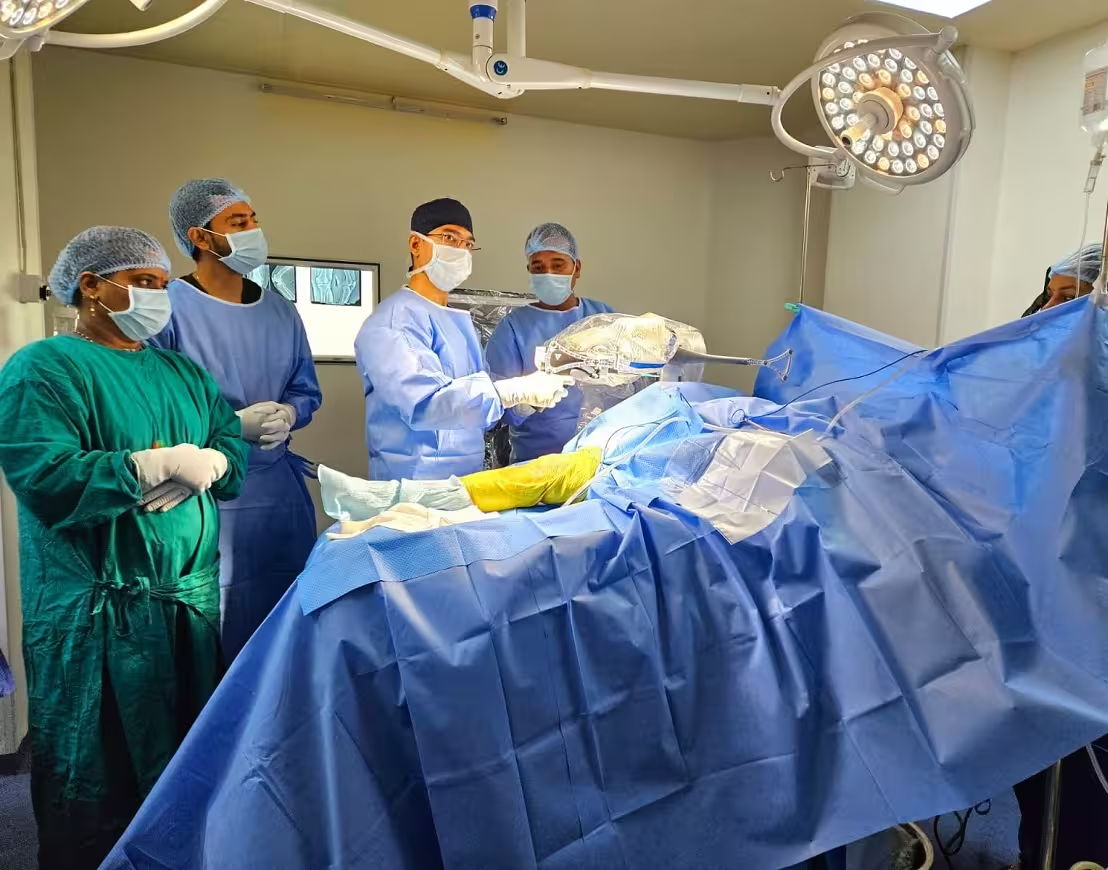
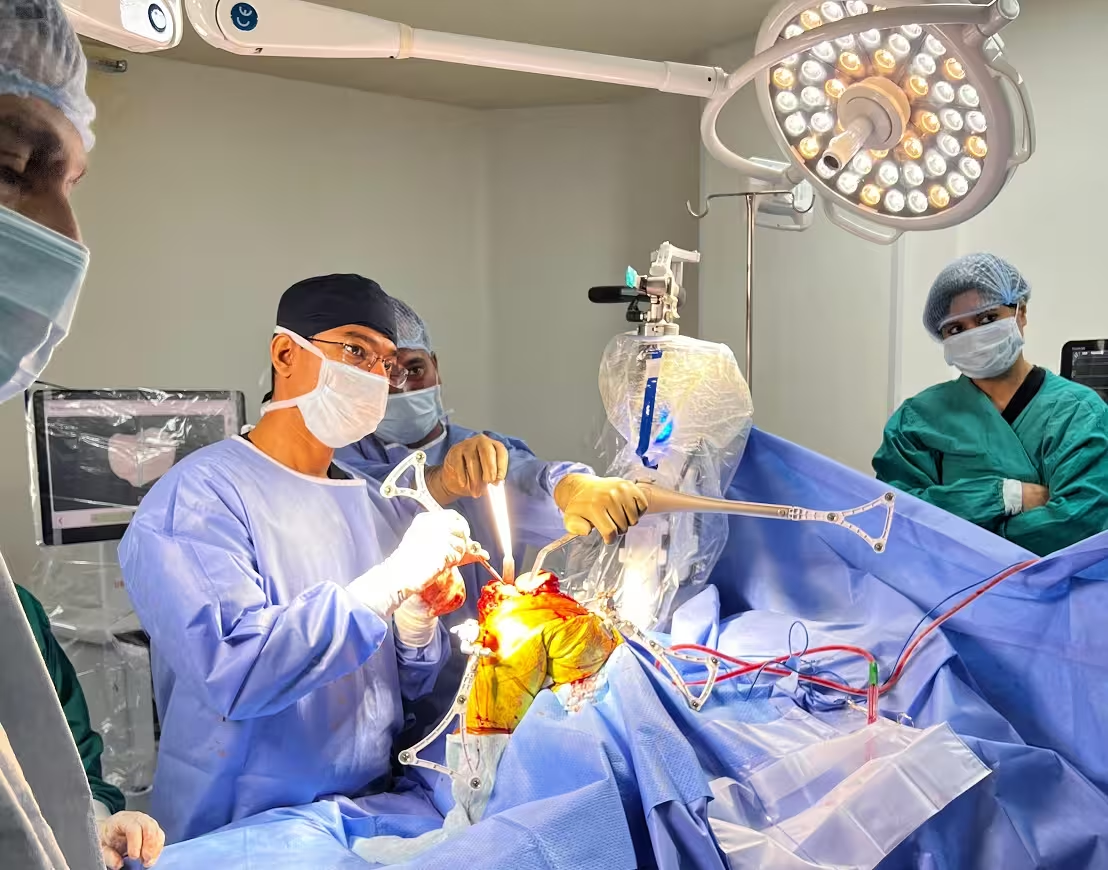
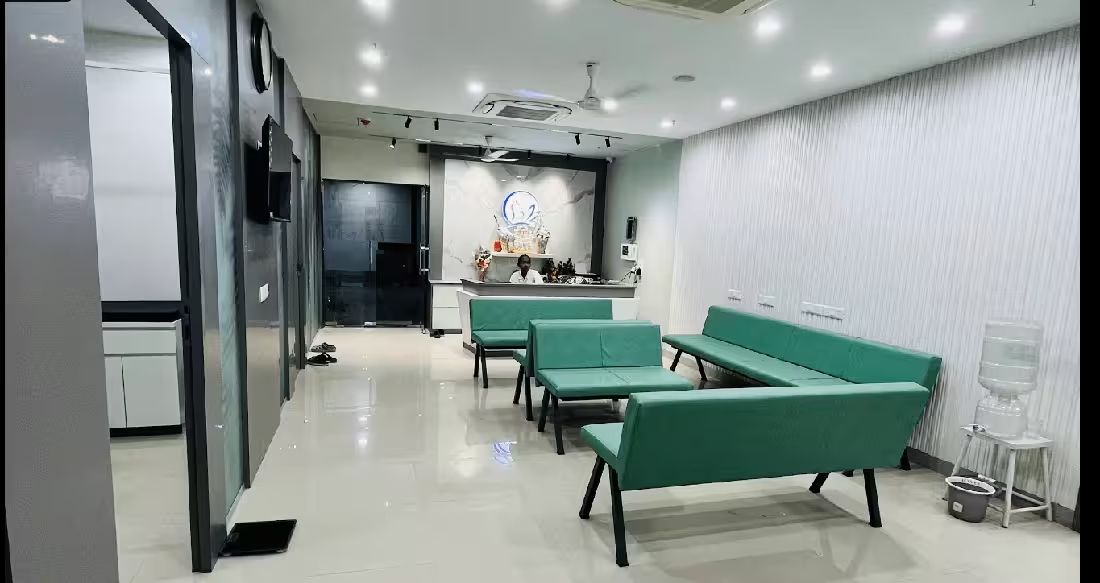
Experience advanced robotic joint replacement at Darekar Superspeciality Hospital and Robotic Joint Replacement Centre.
Robotic Total Knee Replacement (TKR) is an advanced orthopedic procedure where robotic-assisted technology helps the surgeon perform the surgery with enhanced precision.

By Dr. Mangesh Darekar

By Dr. Mangesh Darekar

By Dr. Mangesh Darekar
By Dr. Mangesh Darekar

By Dr. Mangesh Darekar

By Dr. Mangesh Darekar
Learn about Dr. Mangesh Darekar's experience in orthopaedics and joint replacement surgery, and the technology used to plan individualised treatment.
Experience in orthopaedics and joint replacement care.
Surgical experience in knee and hip replacement procedures.
Patient care focused on mobility, comfort and individual treatment needs.
Robotic-assisted technology may be used where clinically appropriate.
Choosing a joint replacement treatment involves understanding your diagnosis, available options and recovery needs. A consultation helps you make an informed decision based on your individual condition.
Symptoms, medical history, examination findings and imaging reports help guide the treatment discussion.
Understand treatment options for persistent knee or hip pain, stiffness and difficulty with daily activities.
Learn how robotic-assisted and conventional approaches differ and which options may be suitable for your case.
Discuss the proposed procedure, preparation, potential risks, expected benefits and follow-up arrangements.
Understand the role of supervised mobilisation, physiotherapy and follow-up after a joint replacement procedure.
Ask questions about treatment alternatives and make decisions with your treating orthopaedic team.
Ongoing knee or hip pain can make walking, climbing stairs, standing up from a chair or completing daily activities difficult. An orthopaedic assessment can help identify the cause and determine whether non-surgical care or surgery should be considered.
These symptoms do not automatically mean joint replacement is required. The diagnosis and suitable treatment should be determined by a qualified clinician.
Explore the relevant treatment pages to learn more about available procedures and consultation options.
Robotic Total Knee Replacement Robotic Total Hip Replacement About Dr. Mangesh DarekarWatch expert videos by Dr. Mangesh Darekar about robotic knee replacement, hip replacement and joint care.
 ▶
 ▶
 ▶
 ▶
 ▶
 ▶
 ▶
 ▶
 ▶
 ▶
 ▶
 ▶
 ▶
 ▶
 ▶
Both approaches are used in joint replacement. The appropriate method depends on the patient's needs, the procedure, the surgeon's assessment and the technology available.
| Aspect | Robotic-Assisted Approach | Conventional Approach |
|---|---|---|
| Planning | May use system-specific digital planning and anatomical information. | Uses established preoperative planning methods and clinical assessment. |
| Surgical guidance | Technology may guide selected steps, depending on the system used. | The surgeon uses conventional instruments and established techniques. |
| Suitability | Depends on the patient's condition, procedure and system availability. | Depends on the patient's condition and the surgeon's clinical judgement. |
| Recovery | Depends on individual health, procedure and rehabilitation. | Depends on individual health, procedure and rehabilitation. |
Robotic assistance does not guarantee a particular outcome and is not necessarily the best option for every patient. Discuss potential benefits, limitations, risks and alternatives with your surgeon.
Knowing what to expect can help patients prepare for a consultation and understand the stages of care.
Discuss symptoms, medical history, mobility concerns and treatment goals.
Clinical examination and relevant reports help establish the diagnosis.
Review suitable non-surgical and surgical options, including their risks and benefits.
If surgery is performed, follow the personalised mobilisation, rehabilitation and follow-up plan.
Watch health tips by Dr. Mangesh Darekar.
Recovery varies from person to person. The procedure performed, general health, pre-surgery mobility and rehabilitation all influence the recovery plan.
Your care team will advise when and how to begin moving safely after surgery.
Prescribed exercises can support strength, flexibility and functional movement.
Follow-up visits help the team review progress and address concerns.
Follow your surgeon's guidance instead of relying on a fixed recovery timeline.

Learn about robotic knee replacement, hip replacement surgery and consultation with Dr. Mangesh Darekar in Pune.
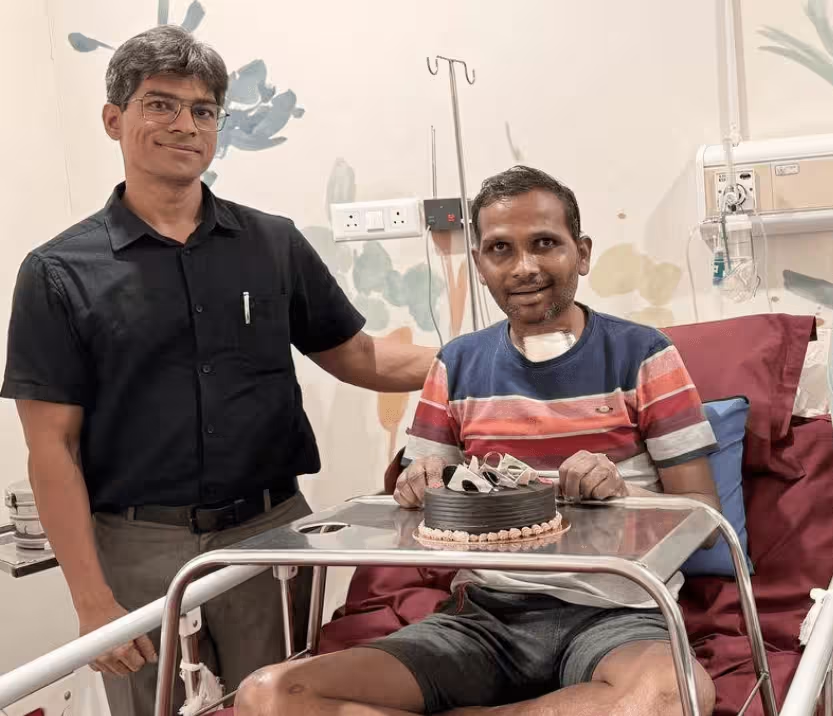
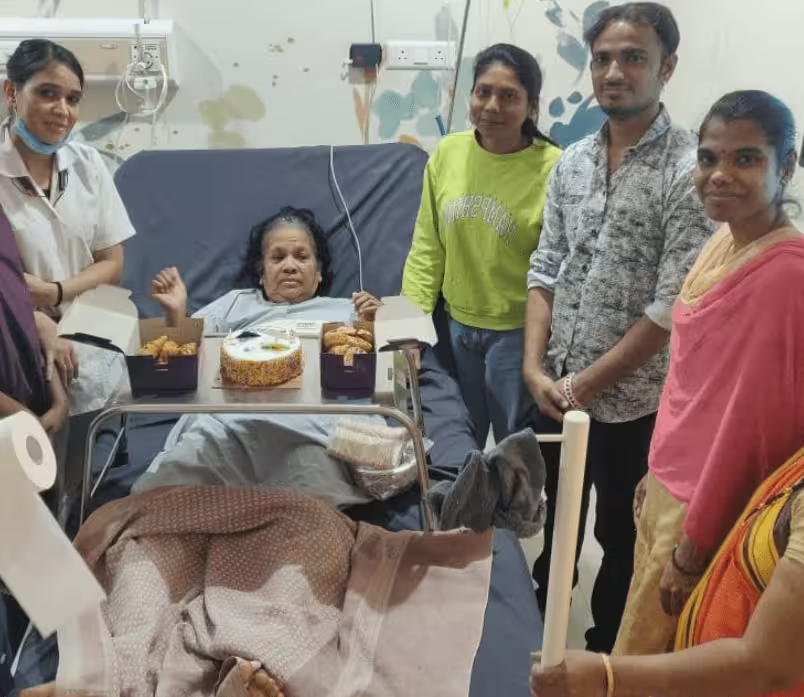
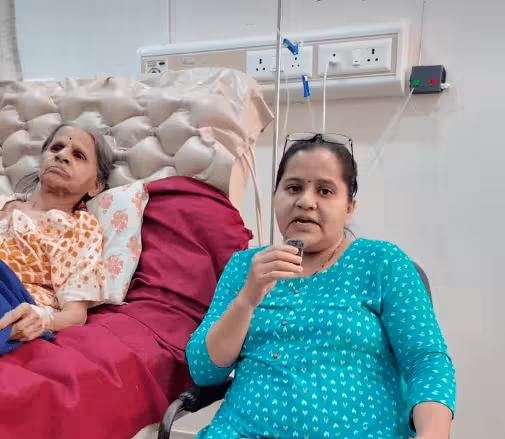
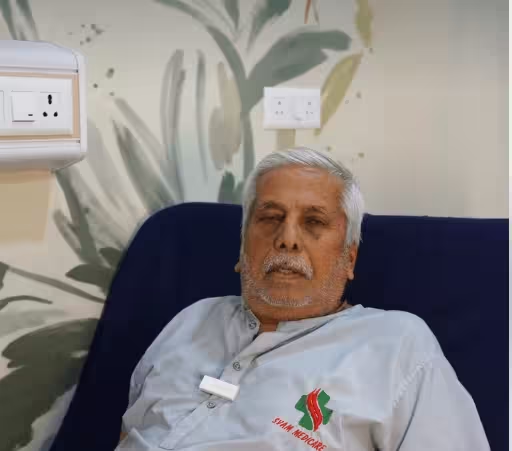
We're Committed To Offering More Than Treatment
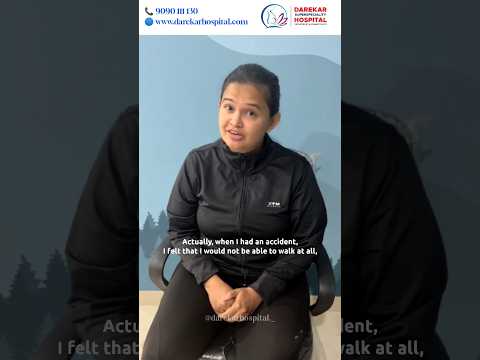
By Dr. Mangesh Darekar

By Dr. Mangesh Darekar
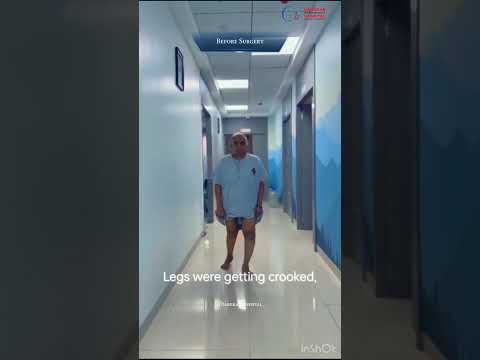
By Dr. Mangesh Darekar

By Dr. Mangesh Darekar

By Dr. Mangesh Darekar
By Dr. Mangesh Darekar